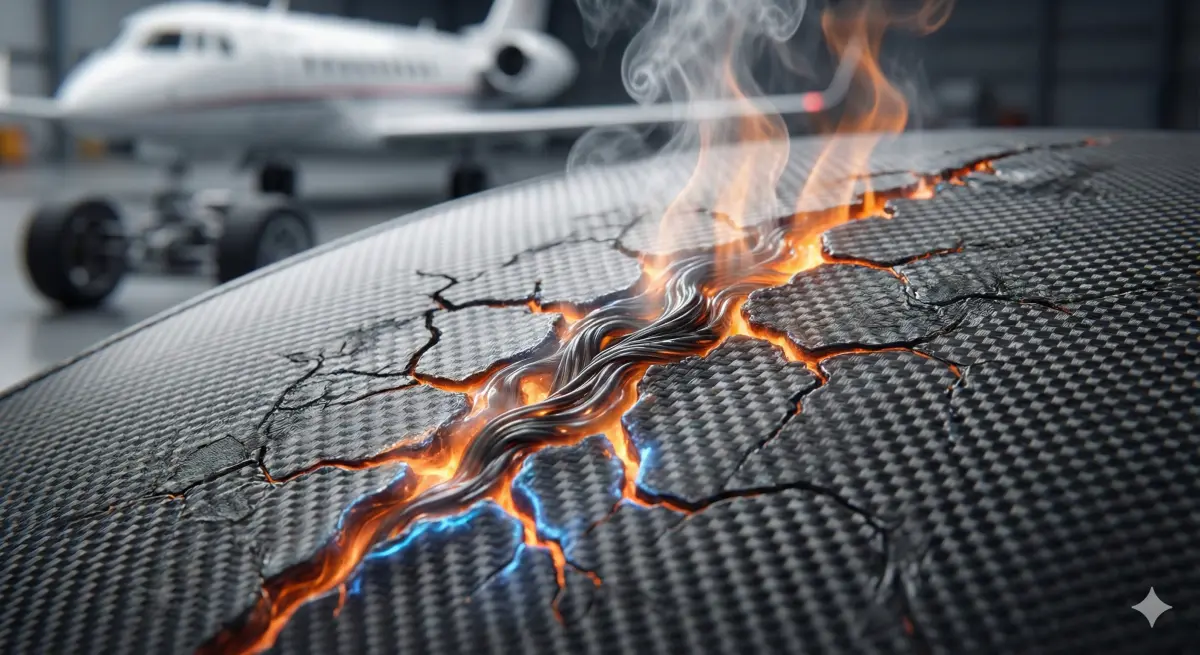
The new material, named “Aromatic Thermosetting Copolyester (ATSP),” is poised to revolutionize the aerospace, defense, and commercial industries.
According to a recent announcement from Texas A&M University, a team of researchers has successfully engineered a novel carbon-fiber composite. This "smart" material mimics the regenerative properties of biological skin, recovers its original shape when heated, and boasts a strength profile that outperforms steel.
The research team has detailed the properties of this advanced material, describing it as renewable, ultra-durable, and regenerative.
Funded by the U.S. Department of Defense and led by Dr. Mohammad Naraghi, Director of the Nanostructured Materials Lab and Professor of Aerospace Engineering at Texas A&M University, in close collaboration with Dr. Andreas Polycarpou of the University of Tulsa, this research paves the way for innovative applications in the defense, aerospace, and automotive industries.
“What’s really exciting is that this material isn’t just ultra-durable – it’s also adaptive,” Naraghi said in the university's press release. “From on-demand healing in damaged aircraft to enhancing passenger safety in vehicles, these properties make it incredibly valuable for future materials and design innovations.”
The material utilizes dynamic bond-exchange reactions. This mechanism allows cracked or deformed components to be repaired solely through the application of heat, restoring nearly all of their original strength or potentially achieving even greater durability.
In aerospace applications, extreme stress and high temperatures can cause dangerous material damage. Should this damage affect critical aircraft components, functionality can be restored using an on-demand self-repair function.
This technology is also expected to enhance automotive safety design. It has the potential to restore a vehicle's shape after a collision, and more importantly, significantly improve safety by protecting occupants.
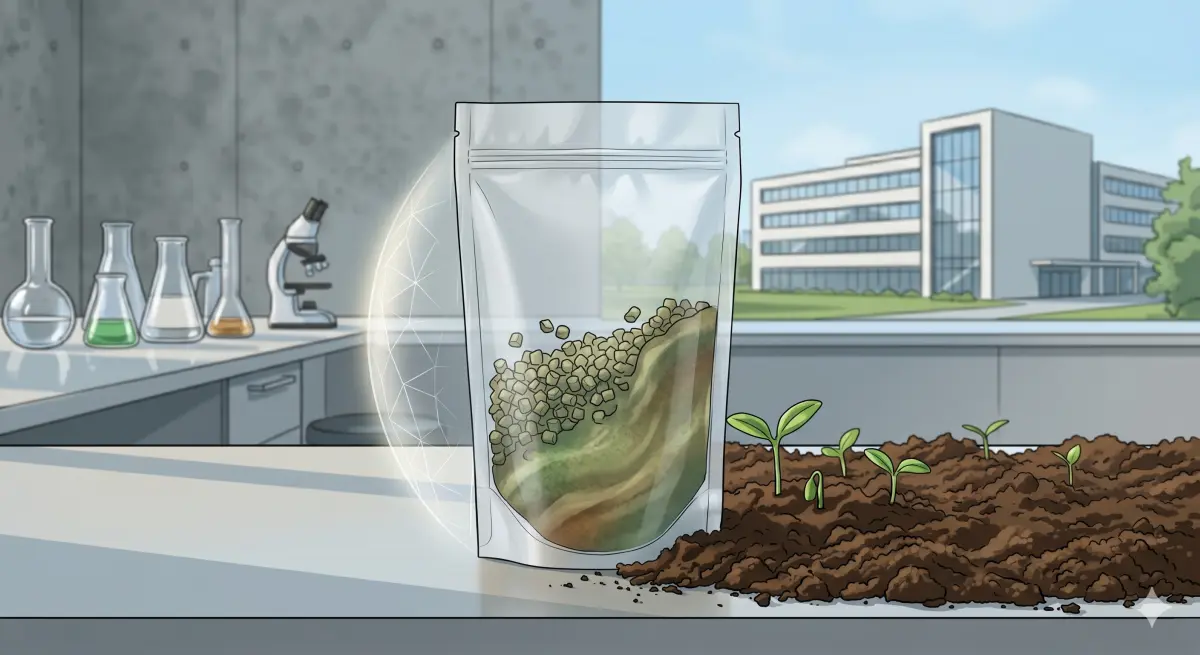
This material is recyclable and offers a sustainable alternative to conventional plastics. Its chemical structure remains stable even after multiple shape-changing cycles, making it a strong candidate for reducing waste without compromising reliability.
“ATSPs are an emerging class of vitrimers that combine the best features of traditional plastics,” Naraghi explained. “They offer the flexibility of thermoplastics with the chemical and structural stability of thermosets. So, when combined with strong carbon fibers, you get a material that is several times stronger than steel, yet lighter than aluminum.”
To verify ATSP's self-healing and shape-changing capabilities, the research team conducted cyclic creep tests involving repeated stretching and release of the material.
In one trial, the composite material was heated to approximately 160 degrees Celsius to induce shape recovery. The results confirmed that the ATSP sample withstood hundreds of stress-heating cycles and demonstrated improved durability during the damage repair process.
In another experiment, damaged specimens underwent heat treatment at 280 degrees Celsius after stress testing. After two cycles of damage and repair, the material recovered nearly full strength.
Naraghi believes this pioneering accomplishment is more than just inventing a novel material; it will serve as a blueprint for producing plastics that evolve and adapt through the strategic integration of science and engineering.
“It’s through trial and error, collaborations, and partnerships that we turn exciting curiosity into impactful applications,” Naraghi concluded.
The study has been published in the journals Macromolecules and Journal of Composite Materials.